

Traceability throughout the value chain is a crucial piece of the puzzle in the transition to circular material use. We have developed a process to ensure full traceability of the materials we handle, from collection to recycled plastic feedstock. It is based on clear requirements for all actors in the value chain and makes it possible to track the material’s journey.
The EU’s Packaging and Packaging Waste Regulation (PPWR) tightens the requirements for traceability and transparency. From 2030, there will be binding requirements for recycled content in plastic packaging — and for producers to meet these, verified documentation is required all the way from sorting to finished packaging. The work we have built up over several years means that we already meet the requirements that will become mandatory.
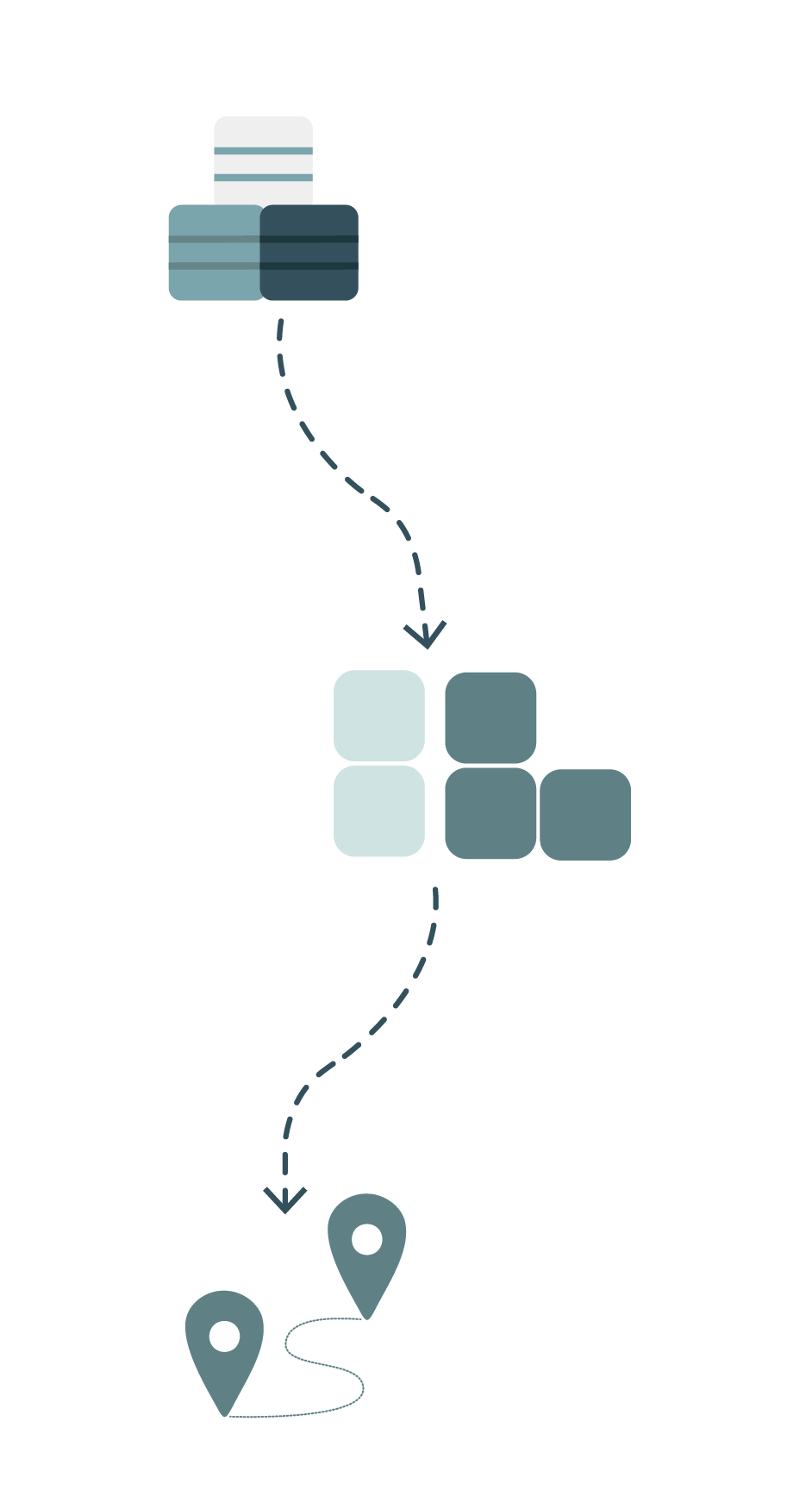
How our traceability works in practice
Materials collected by our sorting customers are transported via baling and transhipment stations to Site Zero. Weight and quality are checked both before the materials are sent to us and upon arrival.
With two sorting lines and separate sorting programmes, we ensure that materials from different sources can be kept separate throughout the process. This is particularly important for plastic that is to be recycled into new food packaging. Every bale leaving the sorting facility is labelled with the type of plastic, its origin and the date.
After sorting, the material is sent directly to our European plastic recyclers — without any middlemen. Every lorry is weighed on departure and on arrival. Direct collaboration with the operators who actually recycle our material is a central part of our traceability policy.
