Traceability

Traceability throughout the value chain is a crucial piece of the puzzle in the transition to circular material use. We have developed a process to ensure full traceability of the materials we handle, from collection to recycled plastic feedstock. It is based on clear requirements for all actors in the value chain and makes it possible to track the material’s journey.

The EU’s Packaging and Packaging Waste Regulation (PPWR) tightens the requirements for traceability and transparency. From 2030, there will be binding requirements for recycled content in plastic packaging — and for producers to meet these, verified documentation is required all the way from sorting to finished packaging. The work we have built up over several years means that we already meet the requirements that will become mandatory.
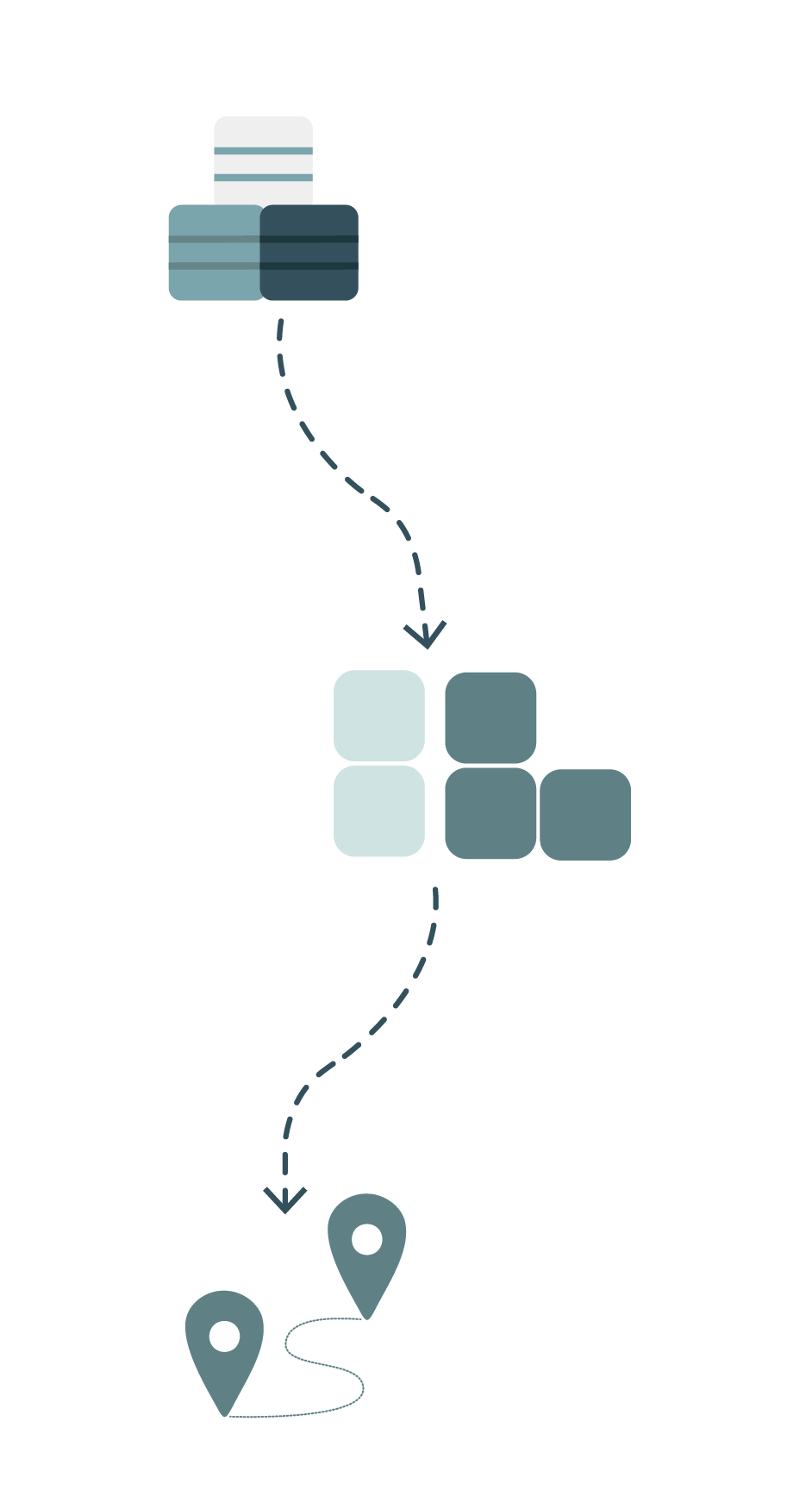
How our traceability works in practice

Materials collected by our sorting customers are transported via baling and transhipment stations to Site Zero. Weight and quality are checked both before the materials are sent to us and upon arrival.

With two sorting lines and separate sorting programmes, we ensure that materials from different sources can be kept separate throughout the process. This is particularly important for plastic that is to be recycled into new food packaging. Every bale leaving the sorting facility is labelled with the type of plastic, its origin and the date.

After sorting, the material is sent directly to our European plastic recyclers — without any middlemen. Every lorry is weighed on departure and on arrival. Direct collaboration with the operators who actually recycle our material is a central part of our traceability policy.

Our work with recyclers

We operate according to a clear system to ensure that every tonne of plastic leaving Site Zero can be tracked all the way to becoming recycled raw material.

Our recyclers must operate within the EU and comply with waste legislation and the waste hierarchy. They must also hold RecyClass certification, under which materials are handled in accordance with the EU standard EN 15343:2007. The certification places a strong emphasis on traceability throughout the value chain.

Before entering into a partnership, we carry out tests to ensure that our materials are compatible with the recycler’s processes, that the results meet high standards, and that the quality is as expected. Agreements regarding proper material handling are drawn up during the testing phase. All partners must comply with our Code of Conduct.

We carry out regular site visits to the facilities that receive and recycle our materials. This allows us to verify how the materials are handled and to track them through the recycling process. In some cases, we even know which end products are being manufactured, such as ICA’s SKONA detergent bottle and IKEA’s Hållbar and Fniss product ranges.

Every year, our recycling partners submit recycling data which is checked, collated and reported to our sorting clients. Our process for measuring and verifying our recycling contribution has been recognised by Eurostat, the EU’s statistical office, as a good standard for monitoring how much has actually been recycled.

We carry out an independent third-party audit of our traceability process and recycling reporting on an annual basis. We do this on a voluntary basis in order to continue developing the process and ensure that our work meets our own high standards. The 2025 audit confirmed that our traceability work is carried out with the systematic approach and rigour required to provide a reliable basis for our reporting.